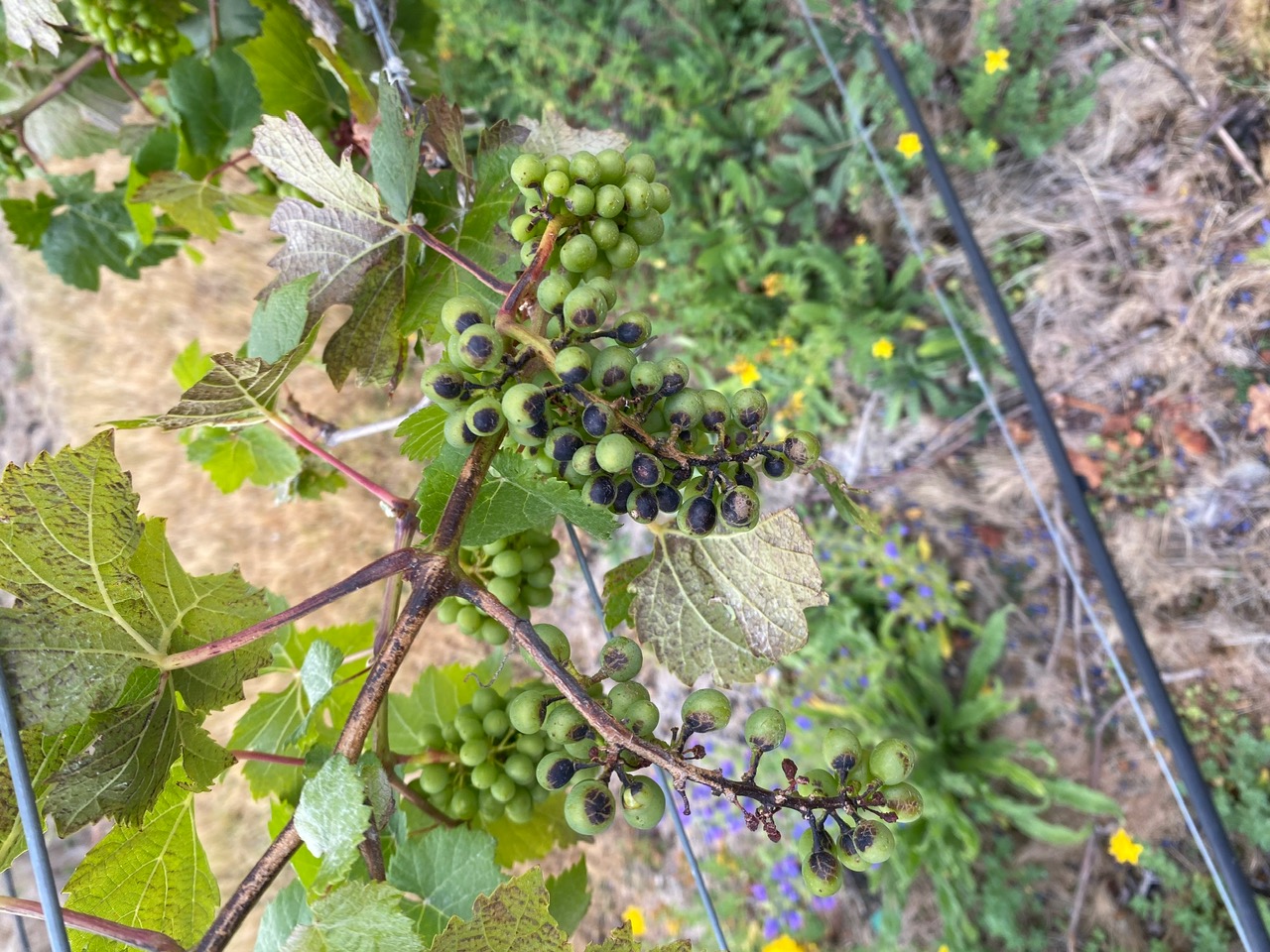
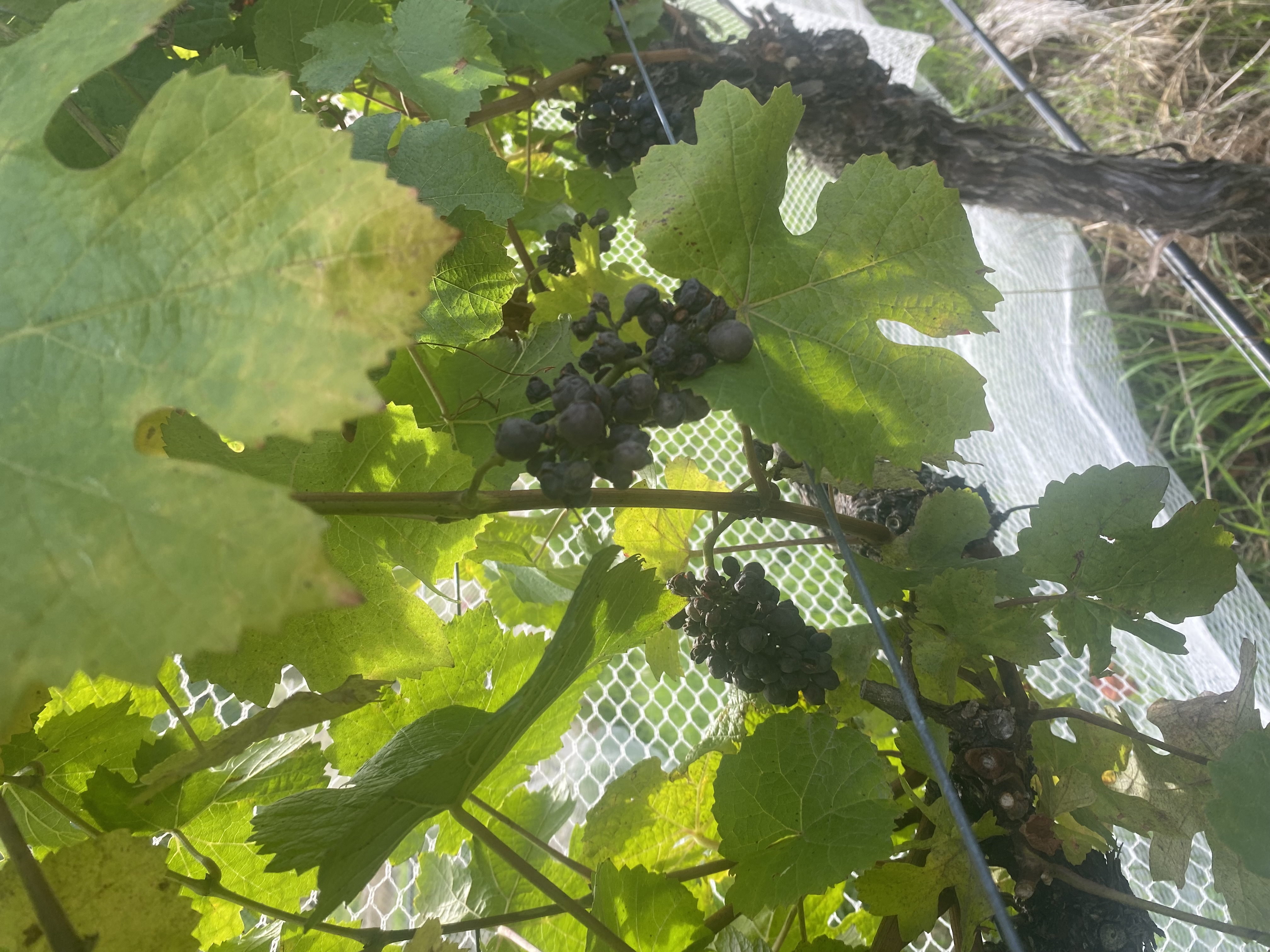
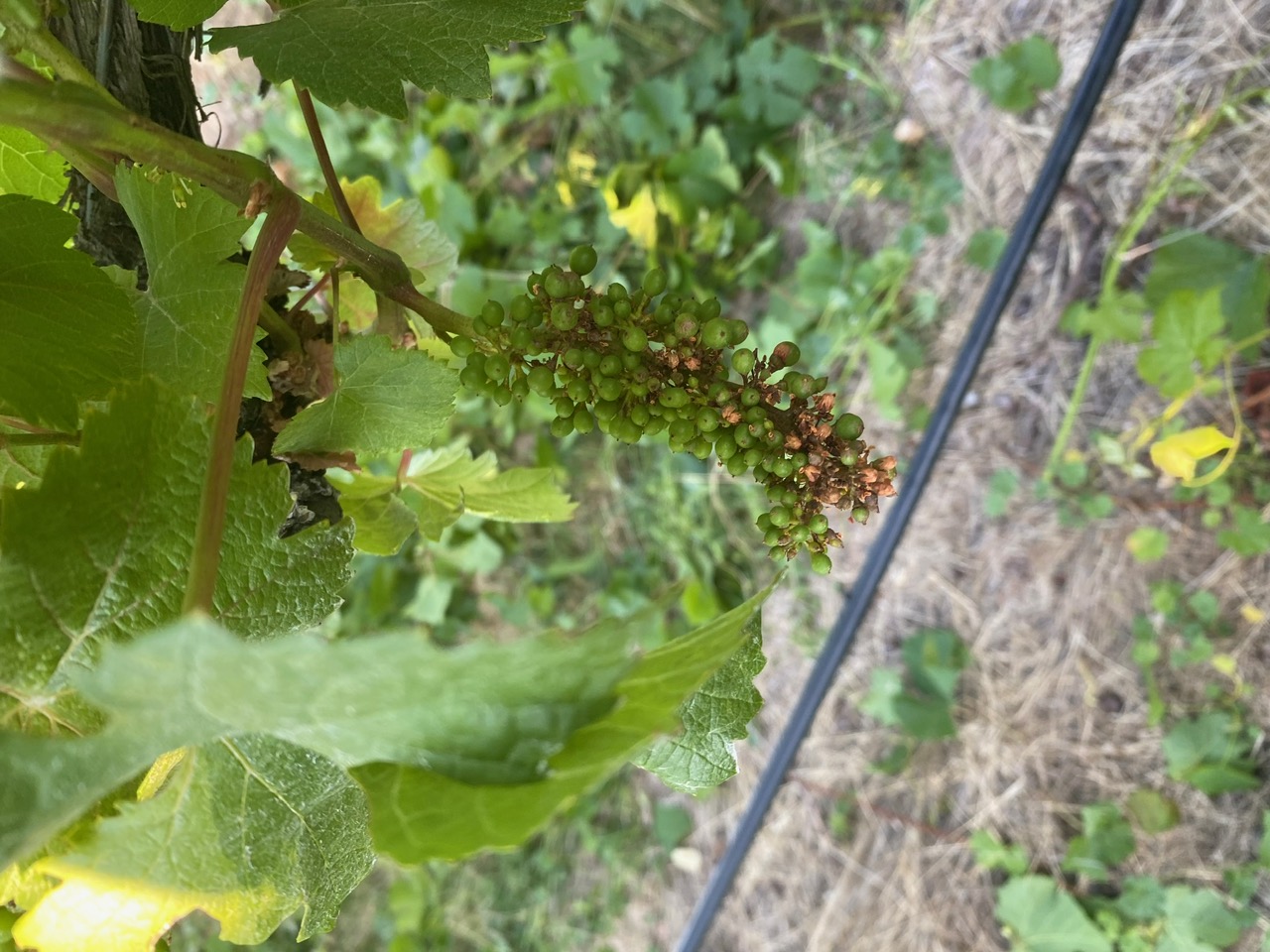
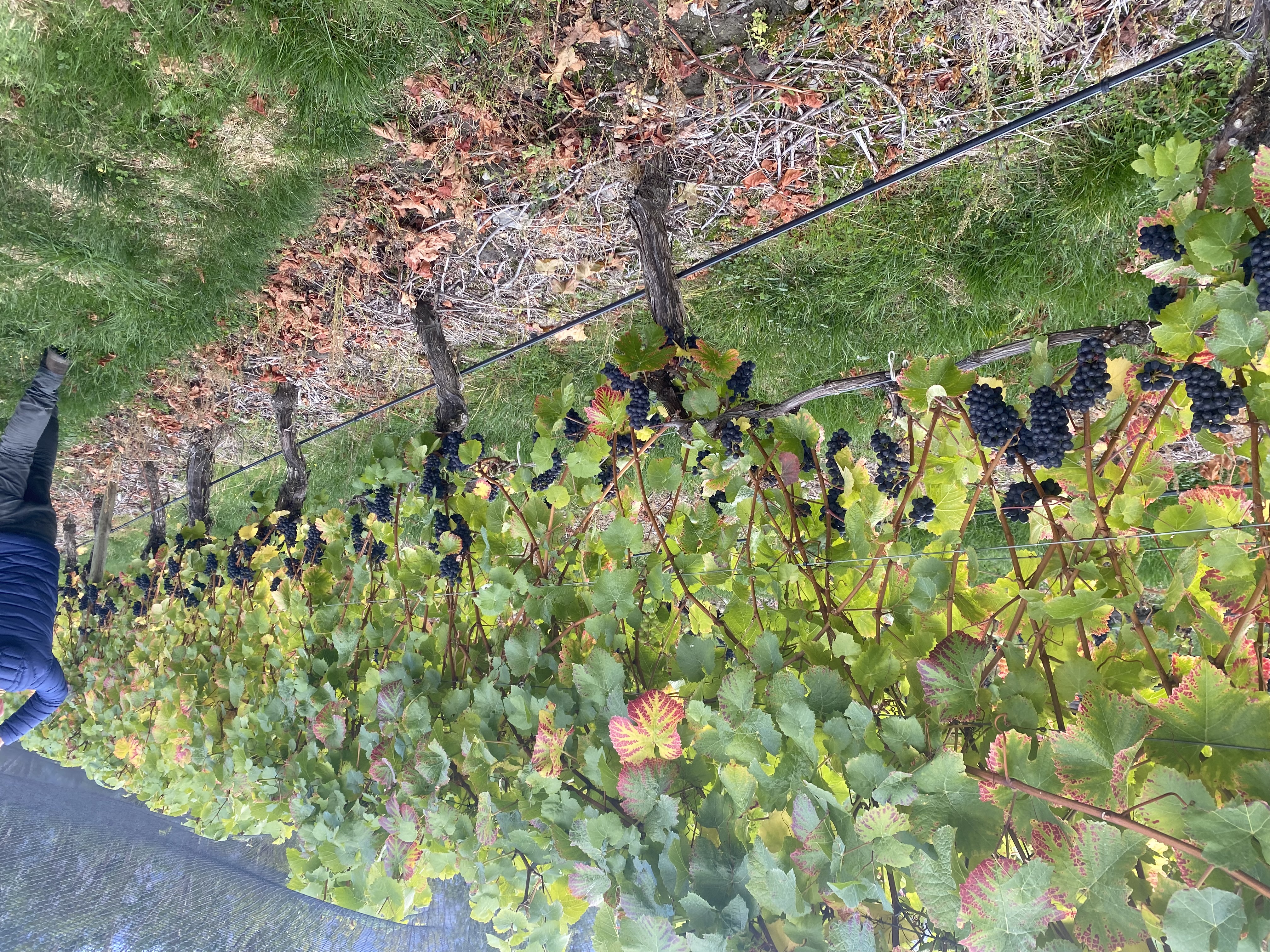
Vineyard disease spreads faster than growers can react.
By the time visible symptoms appear, crop damage has already begun. Traditional scouting is too slow, too manual, and too costly to be effective at scale.
Rapid Outbreaks
Mildew and botrytis can devastate a block within days of initial infection.
Unpredictable Weather
Microclimates within a vineyard create uneven risk that macro weather data misses.
Excessive Spraying
Calendar-based programs waste inputs and increase chemical resistance over time.
Late Detection
Visual scouting finds disease after it has already spread to adjacent vines.
The Solution
Predict disease risk using vineyard microclimate data.
Vitruvian tracks humidity, temperature, and leaf wetness from sensors placed across your vineyard to forecast disease risk, block by block, hour by hour.
Sensors
Wireless IoT nodes track microclimate
→
Microclimate Data
Temp, humidity, leaf wetness
→
AI Prediction
Models calculate disease risk
→
Alerts
Actionable spray timing advice
How It Works
Up and running in four steps.
01 ───
Install Wireless Sensors
Our wireless sensors are deployed across your vineyard blocks with reliable long-range connectivity and no cellular SIM requirements.
02 ───
Data Streams to Platform
Sensor readings are transmitted continuously to the Vitruvian platform, building a real-time microclimate picture of your vineyard.
03 ───
Models Analyse Risk
Disease prediction models calibrated for downy mildew, powdery mildew, and botrytis run continuously against your live microclimate data.
04 ───
Alerts & Recommendations
Block-level risk scores and spray timing recommendations delivered directly, so you spray when needed, not on a calendar.
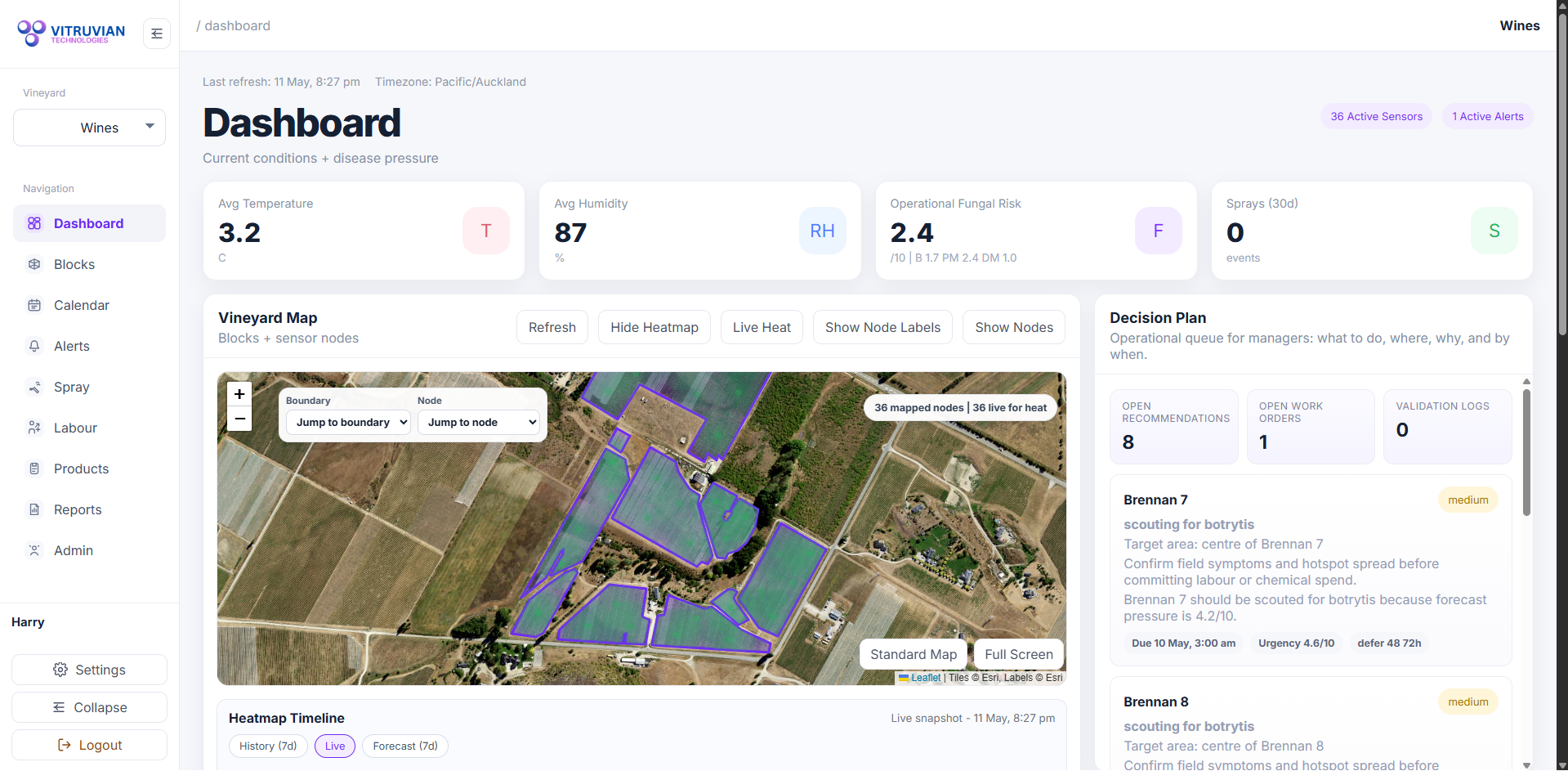
Suite Preview
Your vineyard's intelligence, at a glance.
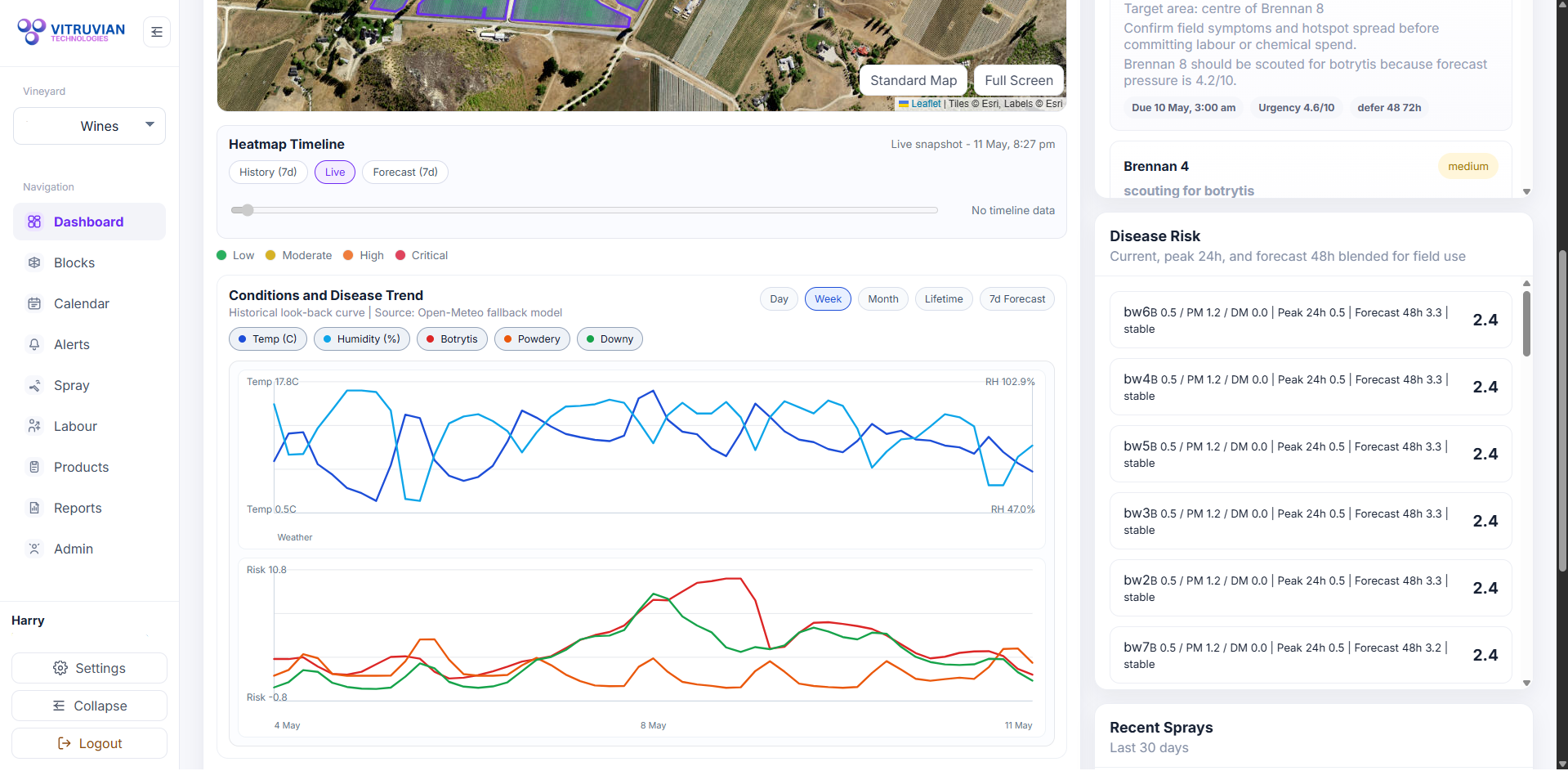
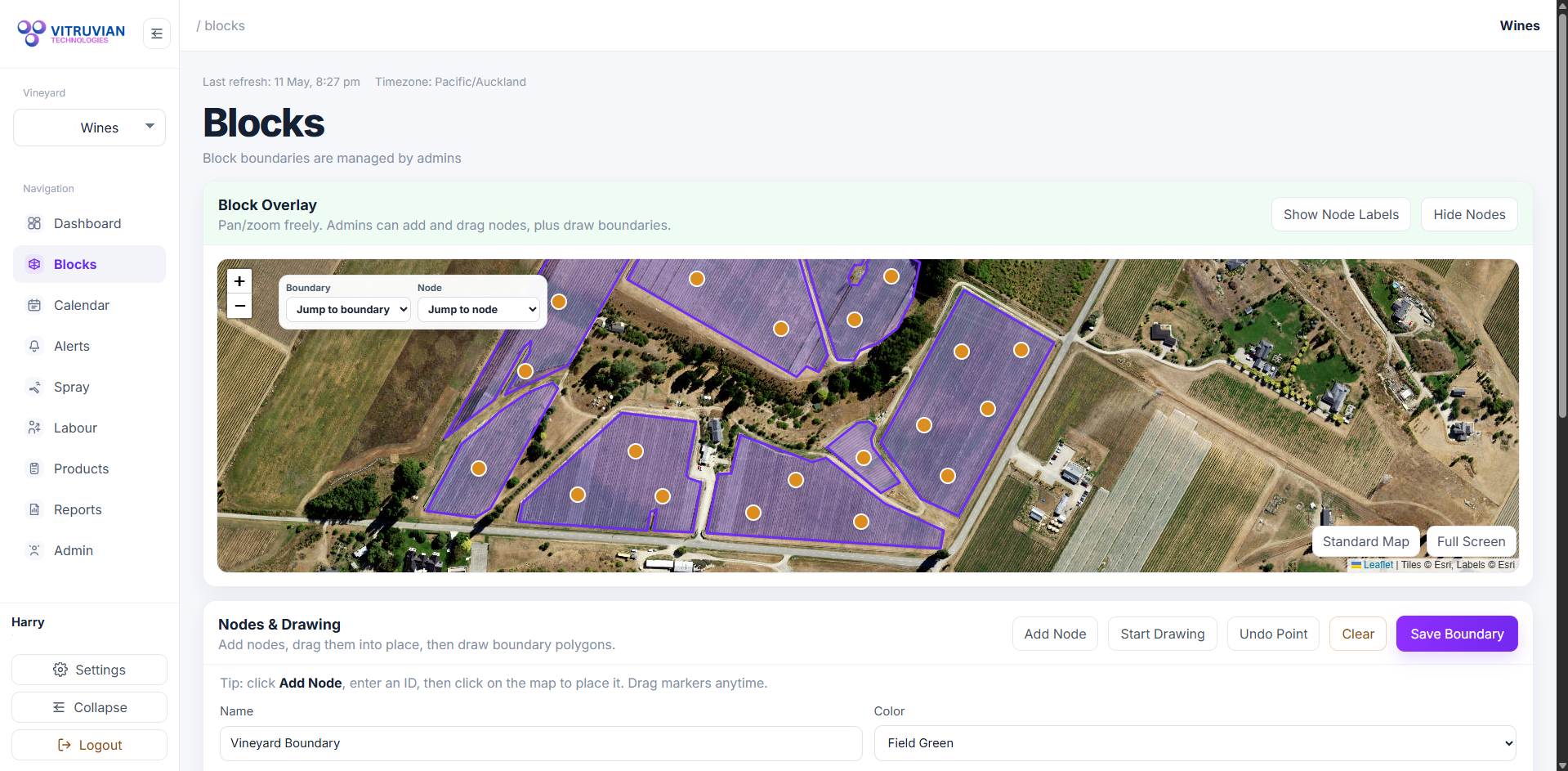
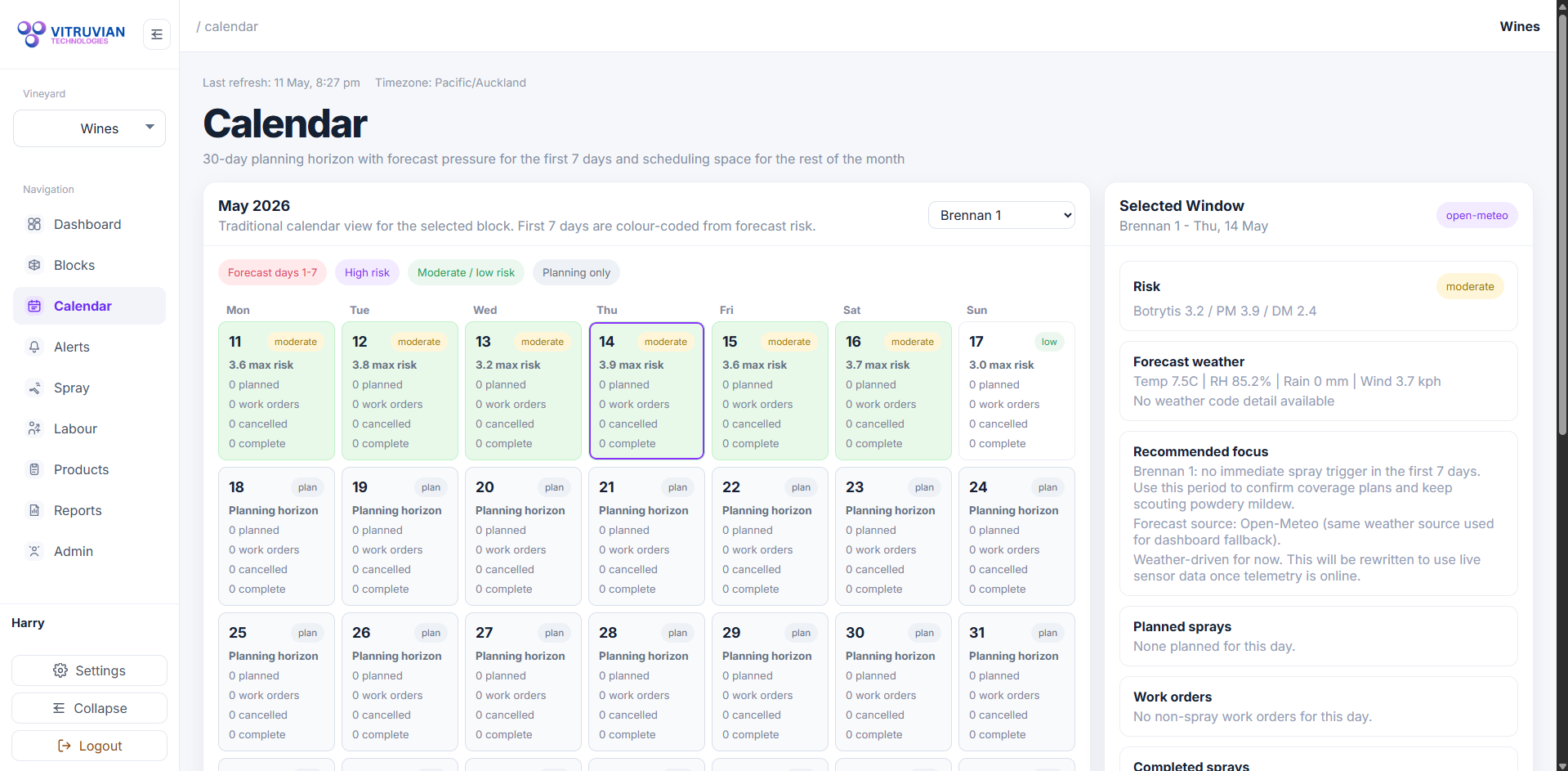
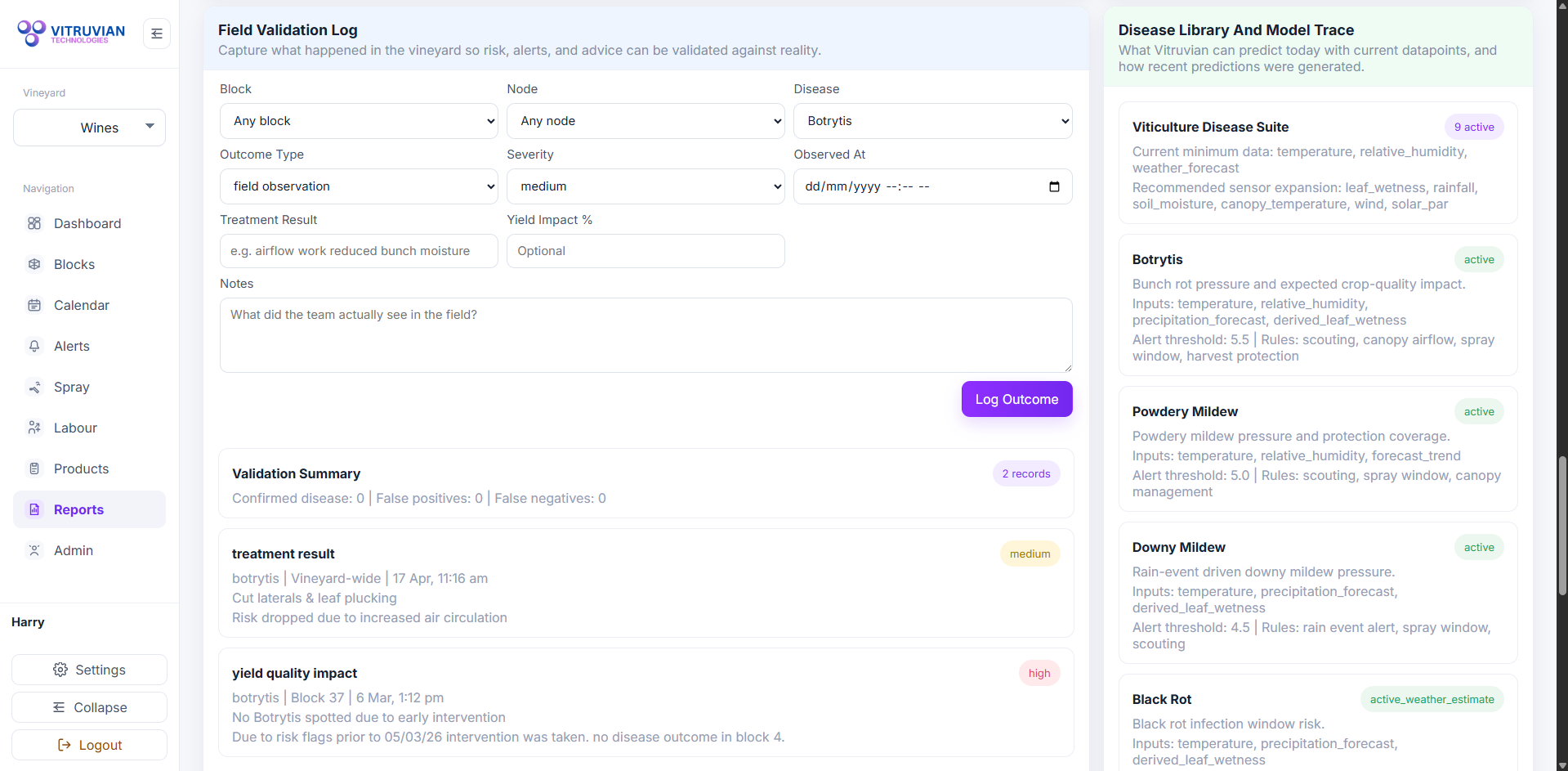
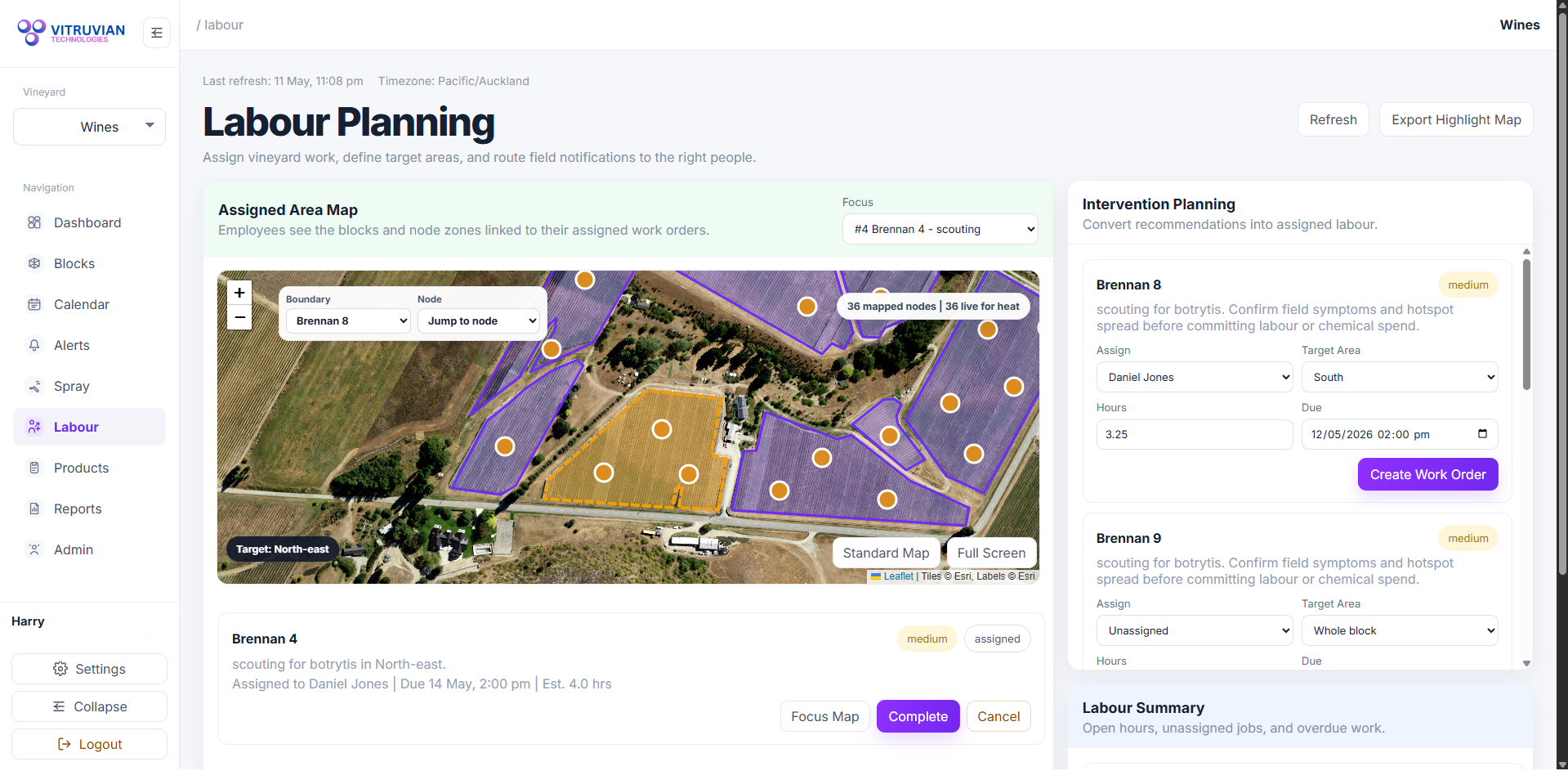
Monitor every block, every sensor, every risk indicator from a single unified dashboard.
VITRUVIAN SUITE PREVIEW: Dashboard
Return on Investment
Protect yield and enable optimised spraying.
7.6×
Average ROI in Year One
Includes a 56% reduction in total cost (crop loss revenue + wasted input cost) across pilot deployments
Early Disease Detection
Receive alerts up to 168 hours before disease conditions become critical, giving you enough time to protect your crop.
Reduced Total Cost
Pilot deployments show a 56% reduction in total cost by protecting crop loss revenue and cutting wasted input cost.
Improved Crop Quality
Lower disease pressure protects fruit integrity, cluster health, and final wine quality.
Increased Profitability
Higher yield protection combined with lower input costs compounds directly into vineyard profitability season on season.
Pricing
Simple, transparent pricing. Hardware included.
One annual subscription covers sensors, platform access, support, and a three-year hardware warranty. No hidden costs.
The Vitruvian Platform is designed to be fast, mobile-friendly, and immediately understandable. No training required.
VITRUVIAN SUITE PREVIEW: Dashboard
Hardware
Designed for the vineyard.
Vitruvian uses battery-powered wireless sensors with long-range vineyard connectivity. No cellular SIM, no ongoing connectivity costs, and no reliance on rural mobile coverage.
Each sensor node measures temperature, relative humidity, and leaf wetness. Nodes are rated IP67 waterproof and built for outdoor agricultural use year-round.
Temperature · Humidity · Leaf Wetness Wireless · IP67 · Battery powered Up to 5 year battery life
Field-ready deployment · No SIM required Indoor/outdoor rated installation
About
Built by people who know vineyards.
Vitruvian Technologies was founded to bring precision agriculture intelligence to New Zealand's world-class wine regions.
Our Mission
Giving growers the intelligence to make better decisions.
Vitruvian Technologies was founded out of a clear gap in the market: New Zealand's vineyards produce world-class wine, but most growers are still making spray decisions based on calendar schedules and after-the-fact scouting.
We've combined hands-on viticulture experience with modern IoT and predictive modelling to build a platform that gives growers a real advantage: earlier warnings, smarter spray timing, and a measurable reduction in chemical inputs.
Our system is built specifically for the conditions New Zealand growers face: variable microclimates, rural connectivity challenges, and the economic pressure to protect every hectare. Our wireless sensor technology means our sensors work where cellular networks don't reach.
We're an early-stage company moving fast. We work directly with growers, incorporate feedback immediately, and are committed to building something that genuinely changes how viticulture is managed in New Zealand and beyond.
Real viticulture experience
Our founders have hands-on vineyard experience across NZ's key growing regions. We understand the challenges growers face at ground level.
Hardware-first, software-powered
Precision agriculture starts with reliable data. Our hardware is purpose-designed for the vineyard environment, not adapted from something else from something else.
New Zealand-focused
Calibrated models, local support, and a deep understanding of how NZ growing seasons and disease pressures work.
Science-driven decisions
Our disease risk models are grounded in established plant pathology research, adapted and validated for New Zealand conditions.
The Numbers
What we're building towards.
44,000+
Hectares of NZ vineyards
↓56%
Reduction in total cost
7.6×
Average return on investment
Contact
Request a demo for your vineyard.
We work directly with growers to configure Vitruvian for your blocks and disease pressures. Get in touch to get started.
Let's talk about your vineyard
Whether you're managing 5ha or 500ha, we'd like to understand your operation and show you how Vitruvian can work for you. We offer a no-obligation demo using your own vineyard's data where possible.
New Zealand & Australia
What happens after you reach out
1. We'll schedule a 30-min call to understand your vineyard and disease challenges. 2. We'll prepare a custom proposal based on your block area and sensor needs. 3. If it's a fit, we move to a pilot installation, typically within 4 to 6 weeks.